
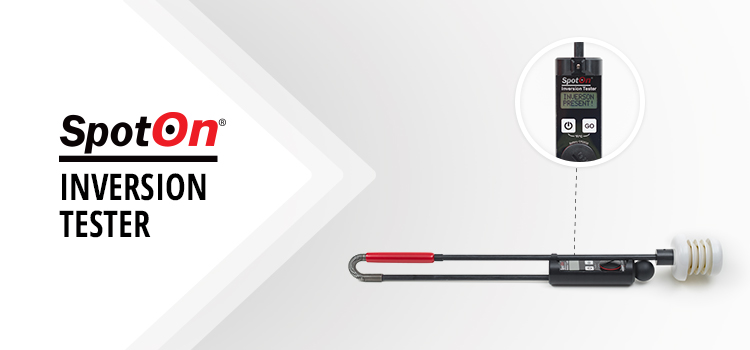
Many professionals recognize the difficulty in identifying temperature inversions since so many factors contribute to their formation and stability. We designed our SpotOn® Inversion Tester to aid in solving that issue.
WHAT IS THE SPOTON® INVERSION TESTER FOR?
Detecting low level thermal inversions and measuring air temperature at boom height as required for pesticide/herbicide application.
WHY SHOULD I TEST FOR TEMPERATURE INVERSIONS?
Even slight temperature inversion can cause drifting of your application(s) which can ultimately devastate susceptible areas around an application site.
HOW CAN I IMPROVE THE ACCURACY OF INVERSION MEASUREMENTS?
Tip! If the tester is stored in an environment with a temperature that is significantly different than the testing area, please allow the tester to acclimate before testing. “Waving” time should be approximately 20-30 seconds when the tester is acclimated.
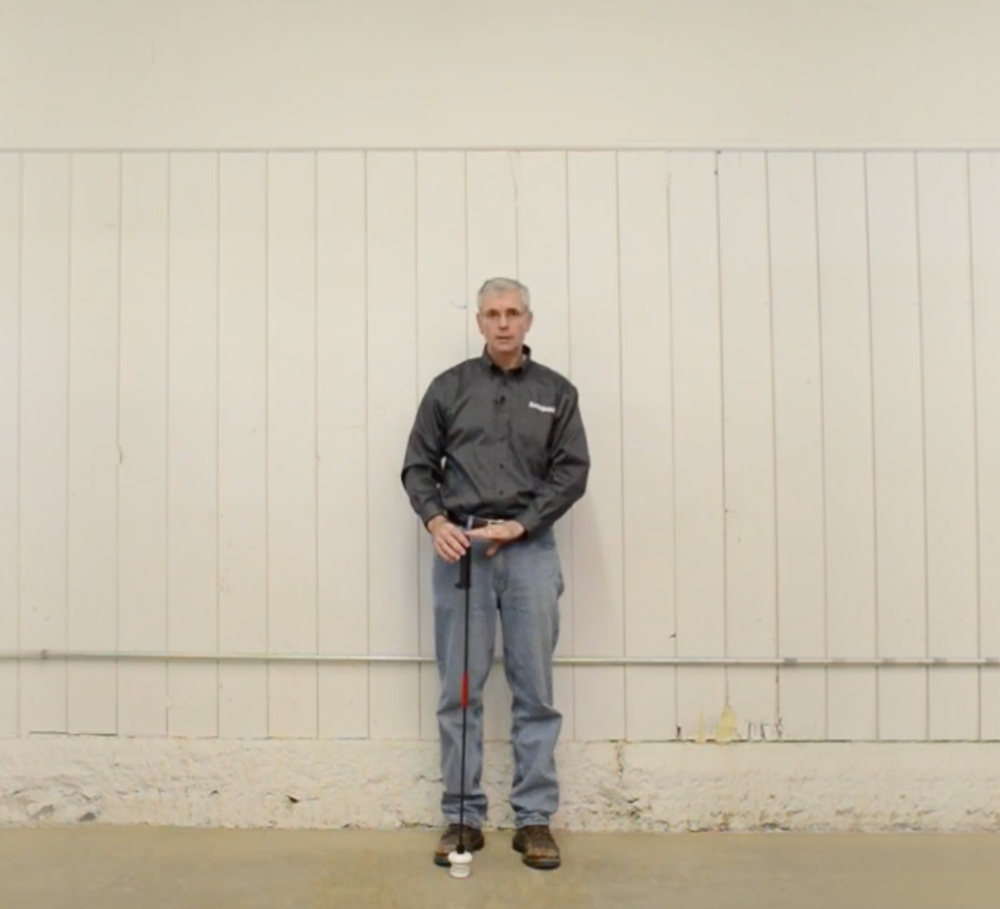
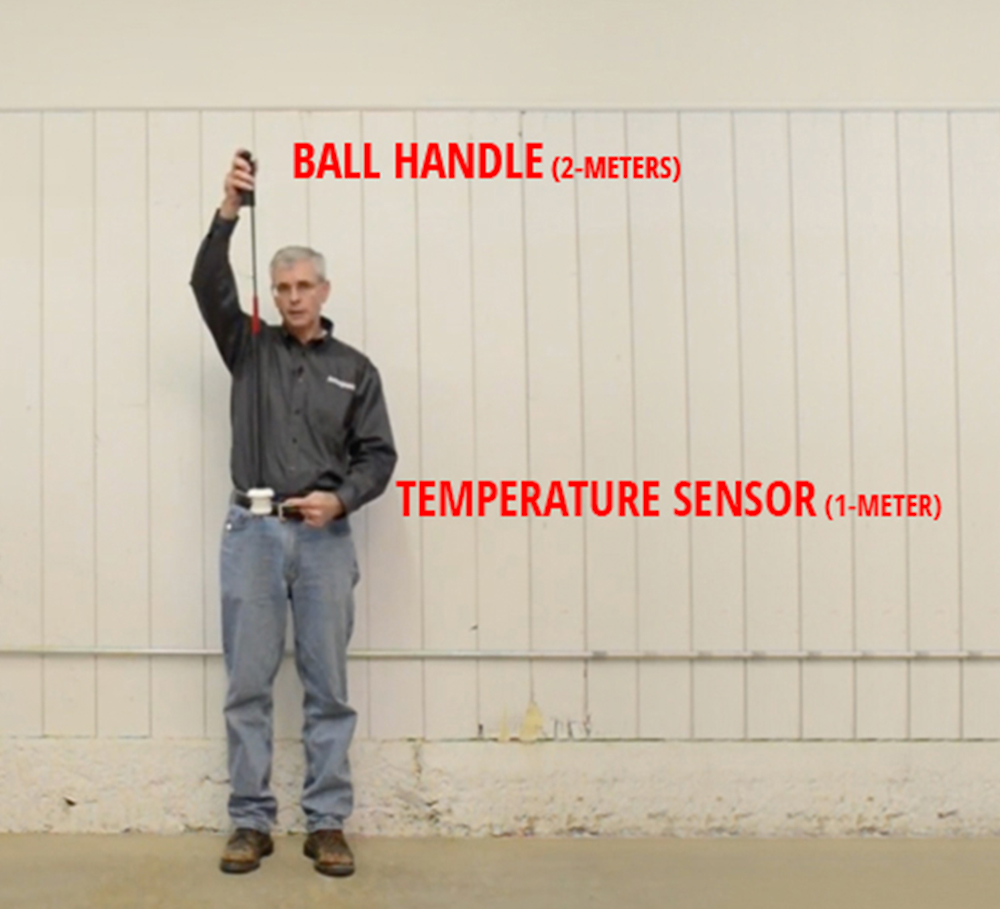
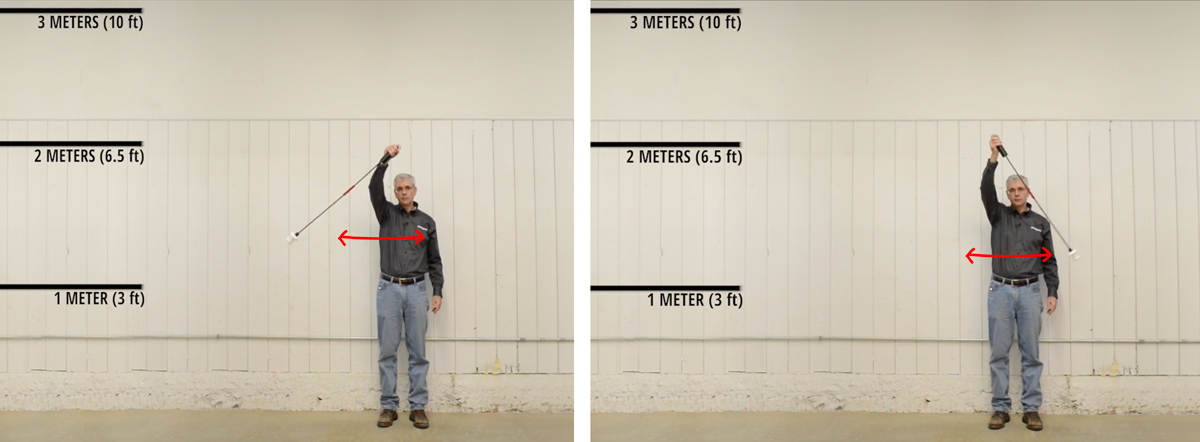
Lift the tester so that the sensor is at 1 meter. Hold the ball handle 2 meters from the ground.
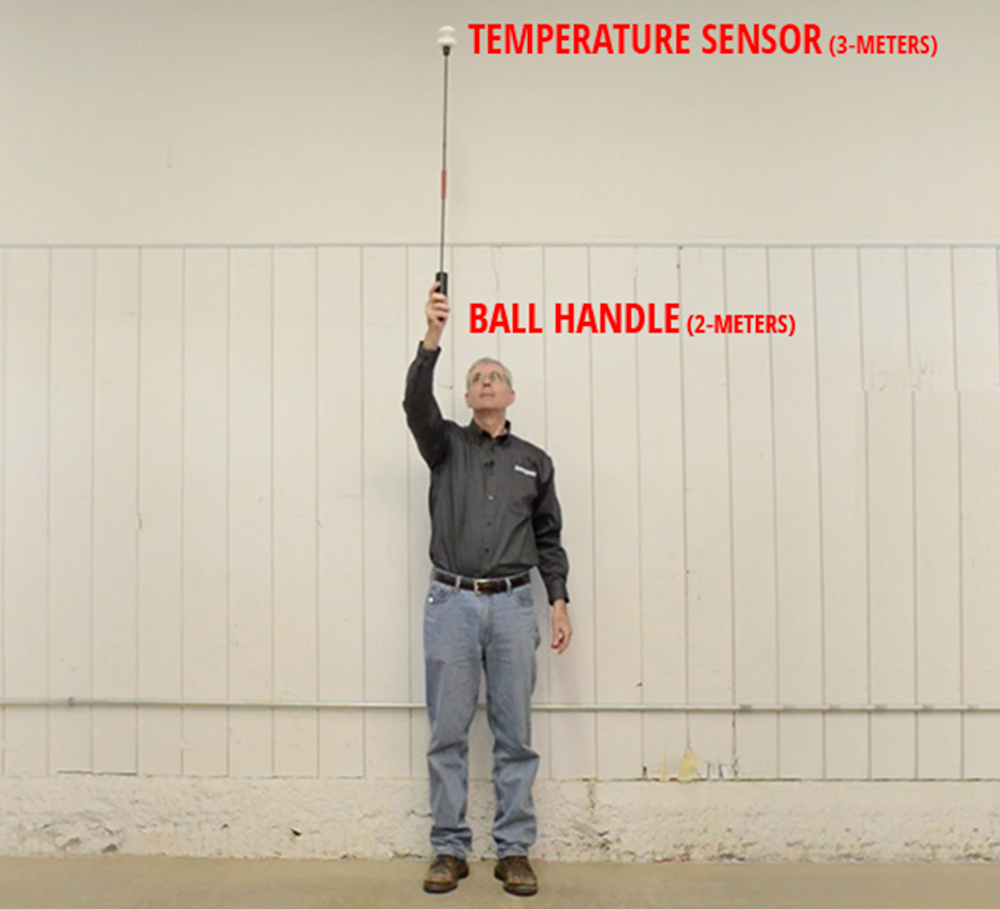
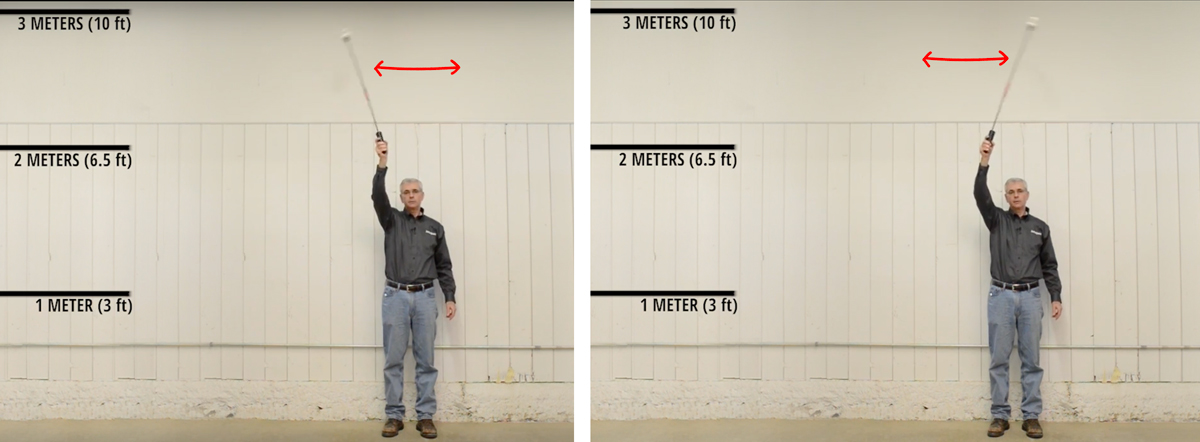
The sensor needs to be 3 meters from the ground, you will hold the ball handle at 2 meters.
Tip! When getting your readings, use aggressive movement when waving the tester from side to side for best results.
Tip! Keep the white shield plates clean to reflect as much sunlight or reflected radiation as possible. Use a dry or damp cloth to clean.
SPOTON® INVERSION TESTER VIDEO
0:15 – about the tester
0:39 – features
1:25 – how it works